
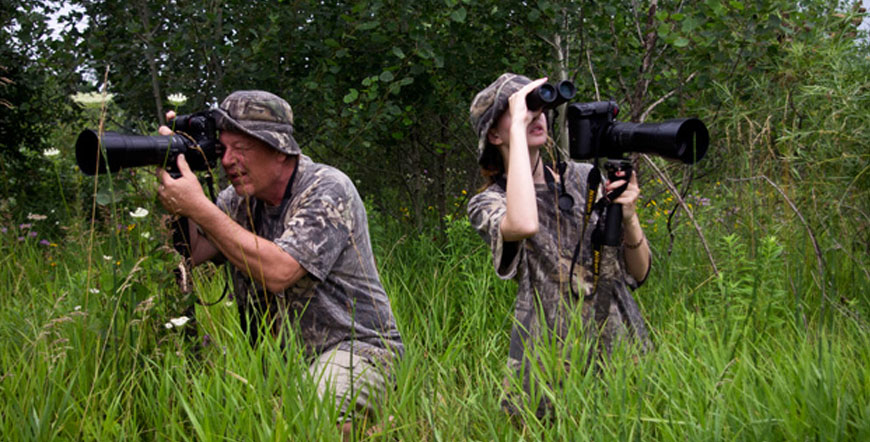

SRI LANKA A TRUE BIRDERS PARADISE
Sri Lanka is a paradise island with remarkable bio-diversity. Sri Lanka though it is a small country the magnitude of bio-diversity is very high. Because of this, the paradise country is ranked 10th highest in the bio-diversification. Also Sri Lanka is a tropical island which is close to the equator and the geographical change is dramatic. This geographical variation is led to many ecological systems which has become the natural habitats of many species.
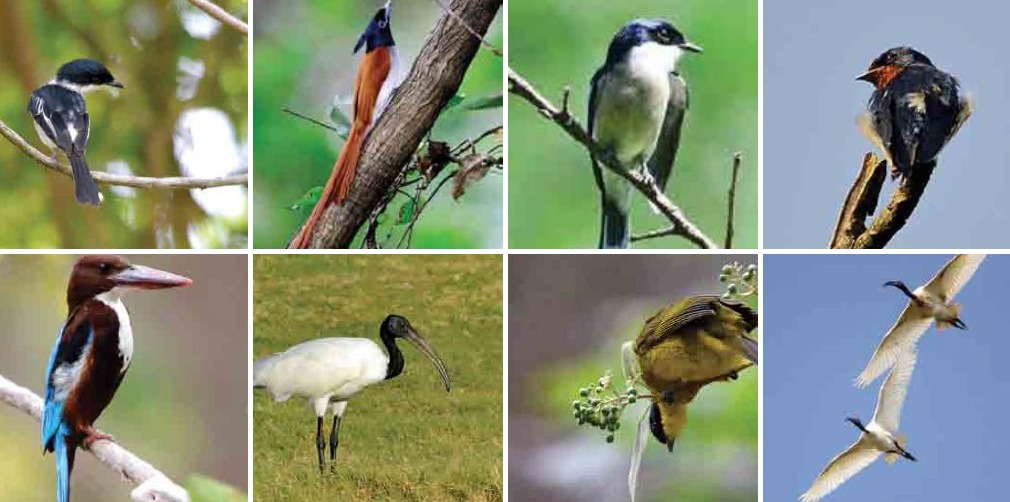
Also Sri Lanka is ranked amongst the world’s twenty fifth bio-diversity hot spot. In comparison with countries of it size, Sri Lanka has a high density of species of avifauna. More than 453 species have been recorded including the migrants. Around three quarter of these species of birds are endemic to Sri Lanka and simply cannot find anywhere in the world. As per the counts there are 237 breading residents, 216 migrants and out of which 33 species and 68 sub species are endemic to this island. When time to come, these numbers may increase with the research work on avifauna.
It is a fact that Sri Lanka also has been recognized as a birders paradise. Most of the avifauna are found in the wet and hill zones. The rest is found in the dry zones. The winter migrants comes to Sri Lanka with the help of the North East monsoons in October and they reside until the South West monsoons which comes during the month of May where the migrants will travel back to their own destinations. Large number of migrant bird species which annually move from the “Northern Autumn winter” to the tropics along the “Central Asia Flyway” and their Southern journey ends in Sri Lanka. Some of the migrants travel from distant Siberia and Western Europe. In 2010 our Ornithologists have detected more than one million aquatic birds (show birds) at Vidattativu Laggon near Mannar area. Lester Perera, Isuru De Zoysa, and I detected close to four thousand Pallas’s Gulls (Ichthyaetus ichthyaetus) the largest member of the Gull family in Mandathive Island – Jaffna in 2013.
CENTRAL ASIAN FLYWAY
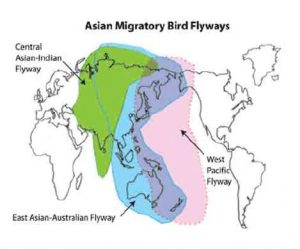
The Central Asian Flyway (CAF) has also been referred to as the Central Asian-Indian Flyway and the Central Asian-South Asian Flyway. It covers a large continental area of Eurasia between the Arctic Ocean, the Indian Ocean and the associated island chains. The CAF comprises several important migration routes of waterbirds, most of which extend from the northernmost breeding grounds in Siberia to the southernmost non-breeding wintering grounds in West Asia, South Asia, the Maldives and the British Indian Ocean Territory. The concept of flyway is essentially an operational concept linked to waterfowl whose populations one wishes to manage over their entire migration space.
CENTRAL ASIAN, EAST ASIANAUSTRALASIAN, AND WEST PACIFIC MIGRATORY BIRD FLYWAYS
The CAF range is essentially centered on one of the three major wintering areas of waterfowl in the Old World, namely the Indian subcontinent, the other two being Africa, in territory of the African-Eurasian Flyway (AEWA) to the west, and southeast Asia in the East Asian – Australasian Flyway (EAAF) to the east. These wintering areas are geographically separate, and present entirely different ecological, historical and cultural situations. The flyway covers 30 countries of North, Central and South Asia and Trans-Caucasus. The northern catchment area of CAF inevitably overlaps, and considerably overlaps, with both those of AEWA and EAAF, mostly within a single country, the Russian Federation, though sixteen of the 30 countries encompassed by the CAF are located in the AEWA area. They are: Afghanistan, Armenia, Azerbaijan, Bahrain, China People’s Republic of, Georgia, Iran Islamic Republic of, Kazakhstan, Mongolia, Pakistan, Russian Federation, Saudi Arabia, Sri Lanka, Tajikistan, Turkmenistan, United Arab Emirates, United Kingdom Chagos Islands and Uzbekistan. The remaining countries in the Central Asian Flyway are: Bangladesh, Bhutan, India, Iraq, Kuwait, Kyrgyzstan, Maldives, Myanmar, Nepal, Oman, Qatar and Yemen.
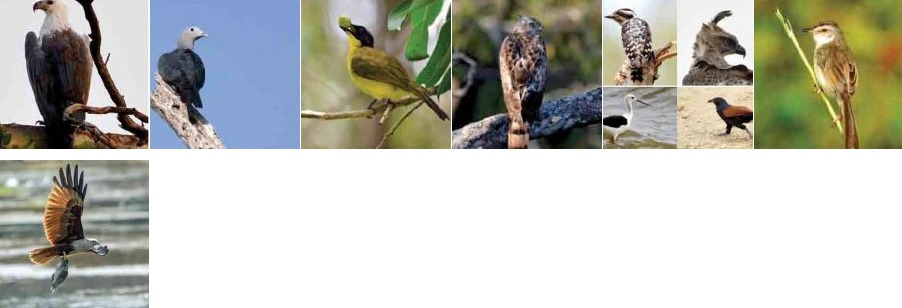
The Central Asian Flyway covers at least 279 migratory water bird populations of 182 species, including 29 globally threatened species and near threatened species that breed, migrate and spend the non-breeding winter period within the region. Species such as the Baer’s Pouchard Critically endangered. Northern Bald Ibis, Whitebellied Heron, Baer’s Pochard and Endangered. Greater Adjutant and vulnerable – Black-necked Crane, Indian Skimmer, Lesser Adjutant, Masked Finfoot, Socotra Cormorant, Wood Snipe and near threatened. Black-headed Ibis, Lesser Flamingo, Pygmy Cormorant, White-eyed Gull are completely or largely restricted to the Central Asian Flyway range.
There are many strong birding clubs in the word. I have met many birders from Holland and they are directly connected to many bird clubs in the world. If we really target in this field it will not be difficult to achieve the goals by introducing a new concept on bird watching here in Sri Lanka. Though it may be a new concept to Sri Lanka but to the travellers it is not because they have come here many times for this purpose. Cairns Bird watching club – Australia, Panama, Bhutan, Papua new Guinia, Bornio, Indonesia, Malaysia, South Of Spain, Ecuador, Cape May – USA, Peru, India, South Africa, Belgium, Netherlands, UK are some of the counties that has very strong bird watching clubs and they travels right round the world and minimum stay in a country not less than seven days. Some members of Dutch B W C stayed almost close to month in Sri Lanka. The information above proves that Sri Lanka Is A True Birders Paradise.
WHY SRI LANKA IS IMPORTANT ON ASIAN MIGRATORY BIRD FLYWAY
 Sri Lanka is the southernmost land mass of the Central Asian Flyway and is the final destination of many migratory birds exiting the eastern and western Indian flyways and the Andamon islands. The Department of Wildlife Conservation in Sri Lanka has declared four Ramsar sites and declared other Protected Areas in Sri Lanka which are wetlands habitats of migratory water birds. These include: Anawilundawa Sanctuary, Bellanwilla – Attidiya Sanctuary, Bundala National Park, Gal Oya National Park, Giants’ Tank Sanctuary, Kumana National Park, Muthurajawela Sanctuary and Yala National Park.
Bird distribution in Sri Lanka is largely determined by its climatic zones. The dry zone is largest of the three, covering more than half of the area of the island, with a prolonged dry and hot period and only one monsoon (the northeast monsoon from October to January). The wet zone, with two monsoons, is in the southwestern quarter of the island, where the few remaining rain forests are found and humidity is high.
Why Book with us?
Need Help?
We would be more than happy to help you. We are 24/7 at your service to help you.
 +94 77 920 9534
[email protected]